Raising Globally Minded, Kind Hearted Children: 4 Ways to Raise Children Who See the World With Empathy🌍
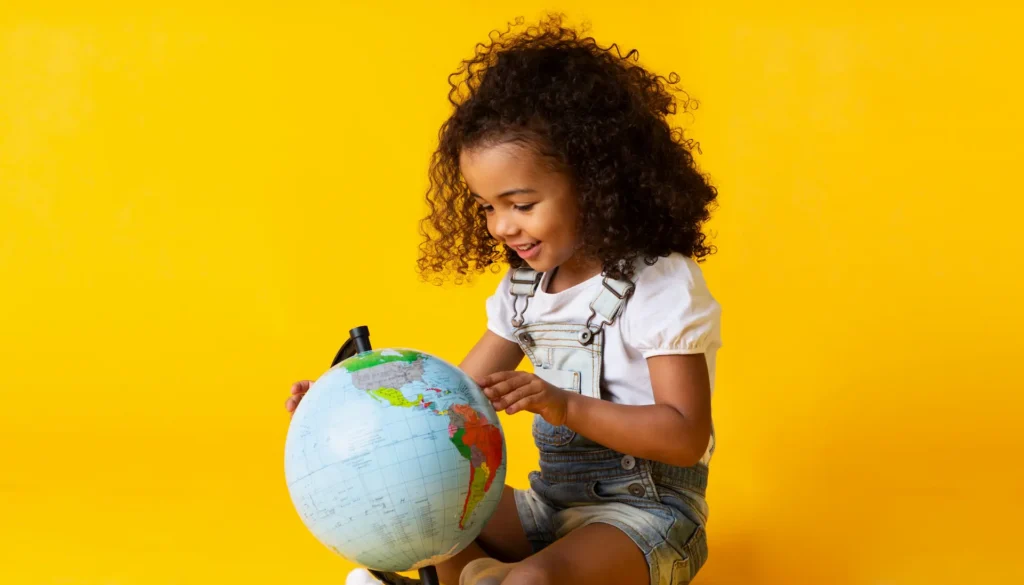
In an increasingly interconnected world, raising children who are not only aware of cultural diversity but who actively care about global issues is one of the most meaningful gifts we can offer as parents and educators.
Global mindedness isn’t just about knowing facts about far-off places — it’s about nurturing empathy, perspective-taking, and a willingness to act for collective well-being. In this post, we’ll explore why this matters and how you can support your child’s journey toward becoming a thoughtful, globally competent human being.
🧠 What Does “Global Mindedness” Really Mean?
At its core, global mindedness — often also called global competence or international mindedness in research literature — refers to a person’s ability to:
- understand and respect cultural differences
- recognize global issues that go beyond local concerns
- communicate across cultures effectively
- and act with a sense of responsibility toward others and society at large
Research shows that this competence isn’t automatic; it’s something that can be supported and cultivated through intentional learning experiences both at home and in school.
📚 What the Research Says
🔸 1. Intercultural Learning Promotes Global Competence
A large international study with data from over 200,000 students found that intercultural learning activities in schools — including discussions about other cultures, interacting with peers from diverse backgrounds, and structured multicultural lessons — significantly contribute to adolescents’ global competence. Crucially, researchers found this link was mediated by students’ belief in their ability to engage with others, known as self-efficacy — meaning that confidence and competence go hand-in-hand when children engage with diversity and global topics.
This insight aligns with social-cognitive theory: children who feel capable of understanding and engaging with cultural differences are more likely to become globally competent adults.
🔸 2. Attitudes & Values Matter for Global Minded Behaviour
Another peer-reviewed study drawing on data from the Programme for International Student Assessment (PISA 2018) found that students’ attitudes, values, and perceived control were strong predictors of global competence behavior — meaning the actions that reflect global mindedness, such as engaging with social issues or showing concern for people from other backgrounds. Simply put, it’s not enough for children to know about global issues; their internal motivations and values shape how they behave in a global context.
This research underscores how much emotional and moral development intertwines with global learning — children need spaces that allow them to build empathy, curiosity, and ethical frameworks just as much as academic knowledge.
🔸 3. Language Learning Strengthens Global Awareness
Although not directly focused on children, recent research into foreign language learning and global competence highlights that the more children engage with other languages, the more likely they are to develop awareness of local and global issues, appreciation for diverse perspectives, and willingness to take collective action — all key dimensions of global competence. Language, then, becomes both a cognitive and cultural bridge to global understanding.
🏡 How to Foster Global Mindedness at Home
Parents and caregivers play an essential role in supporting children’s global development. Here are practical strategies informed by research and best practices:
🌐 1. Explore Other Cultures Together
Books, films, music, and games from around the world can open windows into other ways of life. Discuss what you explore — not just the discoveries, but the feelings and questions they provoke. Reflection strengthens connections between knowledge and empathy.
💬 2. Encourage Open Dialogue & Curiosity
Ask questions like:
- “What would it feel like to live in this place?”
- “Why might people in another culture think differently?”
- “What can we learn from someone with a different background?”
These conversations cultivate critical thinking and reduce bias.
🤝 3. Celebrate Diversity in Your Daily Life
Multicultural celebrations, family traditions, and languages spoken at home all contribute to children’s sense of identity and their awareness of others. When children see diversity as everyday reality, global competence becomes a lived experience, not an abstract concept.
📣 4. Model Compassionate Action
Global mindedness isn’t just about understanding — it’s about acting. Volunteer together, support global causes, or simply help a neighbor. Children learn most powerfully through observation.
🌟 Final Thought
Raising globally minded children doesn’t happen by accident — it requires intentional exposure, reflection, and support. As research shows, when children are encouraged to engage with diverse perspectives, build confidence in their abilities, and develop compassionate values, they become the kind of citizens who don’t just care about the world — they help shape it for the better.
📚 References
- Huang, Q., Cheung, A. C. K., Xu, J., & Jiang, Y. (2025). Intercultural learning and adolescents’ global competence: The mediating effect of self-efficacy. International Journal of Intercultural Relations. Link
- Kastorff, T., Moser, S., Heine, J. H., & Kauertz, A. (2026). Global competence behavior: Exploring the relevance of students’ scientific literacy, related attitudes, and values — Evidence from PISA 2018 across 52 countries. Large-scale Assessments in Education, 14, 3. Link
- (2024). Foreign language learning and the development of global competence in different cultures. International Journal of Intercultural Relations. Link
🌟 For more engaging learning ideas, visit our blog weekly! We share creative activities, language tips, and more to make learning exciting. Stay connected with the latest posts on the Langmobile blog! And don’t forget to check out awesome songs on our Apple Music, YouTube, and Spotify pages to help with your language learning!