Helping Children Deal with Bullying: What Every Parent Should Teach in 2026
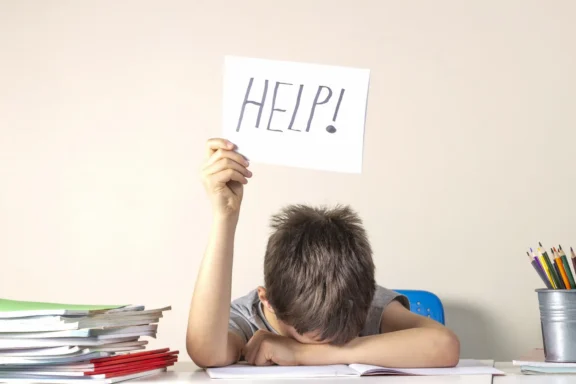
Every parent hopes that school will be a place where their child feels safe, confident, and accepted. Yet many children experience bullying at some point in their school years. Bullying can take many forms — teasing, exclusion, name-calling, spreading rumors, or physical intimidation — and its effects can go far beyond the classroom. Recent research shows that children who experience bullying are at higher risk for anxiety, emotional distress, and sleep difficulties (Zhao et al., 2023).
Teaching children how to deal with bullying is not only about protection — it is also about building confidence, empathy, and resilience that will support them throughout their lives. While parents cannot always control what happens at school, they can play a powerful role in helping children understand bullying and respond to it in healthy ways.
Helping Children Understand Bullying
One of the first steps is helping children understand what it really means. Children sometimes confuse normal disagreements with situations where someone is being repeatedly hurt on purpose. Explaining that this kind of behavior is intentional and happens more than once can help children recognize when something is not okay.
Even young children can learn to identify bullying through simple explanations such as:
- “Bullying is when someone keeps being mean on purpose.”
- “It’s not okay if someone hurts your feelings again and again.”
- “Everyone deserves to feel safe at school.”
Research shows that bullying behaviors can begin early in childhood, which means conversations about kindness and respect should start early as well (Zhou et al., 2024). When children learn these concepts at a young age, they are better prepared to navigate social situations as they grow.
Creating a Safe Space to Talk
One of the most important things parents can offer is a home environment where children feel safe talking about their experiences. Children who feel comfortable speaking with their parents are better protected emotionally, even when difficult situations arise.
A recent study found that strong parent–child relationships can reduce the negative emotional impact of bullying and support children’s self-esteem (Li et al., 2025). Simply knowing that a trusted adult is listening can make a significant difference.
Instead of only asking “How was school?”, parents can try open-ended questions such as:
- “What was the best part of your day?”
- “Did anything difficult happen today?”
- “Who did you spend time with?”
If a child shares a difficult experience, the first response should be calm and supportive. Phrases like “Thank you for telling me” or “I’m here to help you” reassure children that they are not alone.
Feeling heard and supported often matters more than finding an immediate solution.
Teaching Children How to Respond
Many children feel unsure about what to do when bullying happens. Teaching simple strategies can help them feel more confident and prepared.
Children can practice short, clear responses such as:
- “Stop. I don’t like that.”
- “Leave me alone.”
- “That’s not okay.”
Role-playing these situations at home can help children feel less anxious if they encounter similar situations at school.
It is also important to teach children that walking away and seeking help is a strong and responsible choice. Children sometimes believe they must solve problems on their own, but persistent bullying requires adult support.
Teaching Empathy and Kindness
Preventing bullying is not only about helping children who are targeted — it is also about teaching children not to become bullies themselves. Developing empathy helps children understand how their actions affect others.
Research shows that programs focused on emotional understanding and social skills can reduce bullying behavior and improve children’s self-esteem (Barba Muñoz et al., 2026). Parents can reinforce these skills in everyday life.
Simple questions can help children develop empathy:
- “How do you think that child felt?”
- “What would you want someone to do for you?”
- “How can we help someone who feels left out?”
Small conversations like these help children develop awareness and compassion.
Knowing When to Seek Help
Sometimes bullying does not stop on its own. In these situations, it is important for parents to involve teachers or school staff. Schools can only address problems when they are aware of them.
Some signs that a child may be struggling with bullying include:
- Reluctance to go to school
- Frequent headaches or stomach aches
- Sudden changes in mood
- Loss of confidence
- Withdrawal from friends
Early support can prevent bullying from causing deeper emotional difficulties (Zhao et al., 2023).
Building Confident and Compassionate Children
Perhaps the most important message parents can teach is that a child’s value does not depend on how others treat them. Children who feel loved and supported develop stronger resilience and self-confidence.
At the same time, children should learn that kindness matters. Choosing to include others, speaking up when something is wrong, and treating people with respect help create safer school environments for everyone.
Bullying is a difficult reality, but it is also an opportunity to teach children courage, empathy, and communication — skills that will stay with them for a lifetime.
References
- Barba Muñoz, M., et al. (2026). Effectiveness of school-based psychoeducational programs in reducing bullying and improving self-esteem. Link
- Li, X., et al. (2025). Bullying victimization and adolescent mental health: The mediating roles of parent–child relationship and self-esteem. Link
- Zhao, Y., et al. (2023). School bullying results in poor psychological conditions among students. Link
- Zhou, X., et al. (2024). Theory of mind and physical bullying in preschool children. Link
🌟 For more engaging learning ideas, visit our blog weekly! We share creative activities, language tips, and more to make learning exciting. Stay connected with the latest posts on the Langmobile blog! And don’t forget to check out awesome songs on our Apple Music, YouTube, and Spotify pages to help with your language learning!