Growing Confidence in Kids: 6 Activities That Make a Difference✨
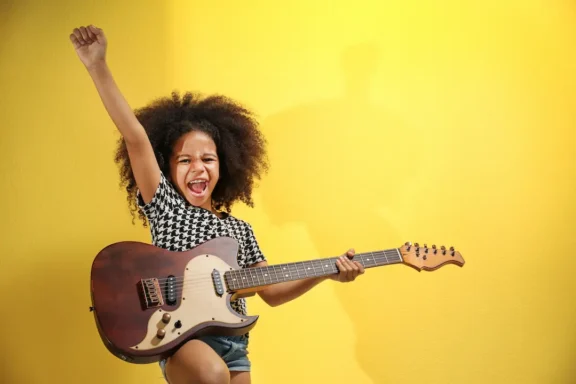
There’s a quiet moment many parents recognize.
Your child hesitates before trying something new. Maybe it’s speaking in front of others, joining a game, or even raising their hand. You can almost see the question in their eyes: “Can I do this?”
Confidence in children doesn’t appear overnight. It’s built slowly—through small wins, safe environments, and meaningful experiences. And often, it grows in the simplest, most playful moments.
Let’s explore some of the most powerful activities that help children build that inner “I can.”
🎨 Creativity: Where Confidence Begins
Think about a child painting, singing, or pretending to be a character in a story. There are no right or wrong answers—just expression.
Creative activities like drawing, music, and storytelling allow children to explore who they are without fear of failure. Research shows that engaging in the arts is strongly associated with higher self-esteem in children, regardless of their skill level (Mak & Fancourt, 2019) .
Even more beautifully, arts-based programs have been linked to improved emotional well-being and mental health in young children (Cheung et al., 2019; Rousseau et al., 2009) .
In other words, when children create, they don’t just make art—they begin to believe in themselves.
⚽ Sports: Learning Confidence Through Movement
Now picture a group of children running across a field, laughing, missing shots, trying again.
Sports are not just about winning. They teach children something deeper:
- How to try again after failure
- How to work as part of a team
- How to feel strong in their own bodies
Studies show that participating in physical activity programs can significantly increase children’s confidence, especially when those activities are done with others (Alazem et al., 2025) .
It’s not about being the best player. It’s about realizing: “I can improve. I can belong. I can do hard things.”
🎭 Role-Play and Imagination: Safe Spaces to Grow
Children often practice confidence before they actually feel it.
Through role-playing—pretending to be a teacher, a chef, or even a superhero—kids rehearse real-life situations in a safe and playful way. They experiment with language, emotions, and social interactions without pressure.
These moments may seem small, but they are powerful. They help children step into confidence before they fully own it.
🍳 Everyday Responsibility: Small Tasks, Big Impact
Sometimes confidence grows in the most ordinary places—like the kitchen.
Letting children help cook, set the table, or complete simple tasks gives them a sense of responsibility and accomplishment. They begin to see that they are capable of contributing in meaningful ways.
And that feeling—“I did this myself”—stays with them.
🌿 Outdoor Play: Confidence Through Exploration
There is something about the outdoors that invites courage.
Climbing, running, exploring new spaces—these activities help children test their limits and discover what they’re capable of. Each small challenge they overcome builds both physical and emotional confidence.
Outdoors, children learn not just to move—but to trust themselves.
🧑🤝🧑 Group Environments: The Power of Belonging
Confidence doesn’t grow in isolation. It grows in connection.
Whether it’s a camp, a class, or a group activity, being part of a community allows children to:
- Make friends
Practice communication - Feel seen and accepted
These experiences create a sense of belonging—and belonging is one of the strongest foundations of confidence.
💛 A Gentle Reminder for Parents
Confidence isn’t about pushing children to be perfect.
It’s about giving them:
- Space to try
- Permission to make mistakes
- Encouragement to keep going
Because in the end, confidence is not built in big moments—it’s built in small ones, repeated over time.
A painting on the fridge.
A goal scored after many misses.
A story told with a shy smile.
And slowly, quietly, your child begins to believe:
“I can.”
📚 References
- Mak, H. W., & Fancourt, D. (2019). Arts engagement and self-esteem in children. Link
- Cheung, J., et al. (2019); Rousseau, C., et al. (2009). Arts-based programs and child wellbeing. Link
- Alazem, H., et al. (2025). Physical activity and confidence in children. Link
🌟 For more engaging learning ideas, visit our blog weekly! We share creative activities, language tips, and more to make learning exciting. Stay connected with the latest posts on the Langmobile blog! And don’t forget to check out awesome songs on our Apple Music, YouTube, and Spotify pages to help with your language learning!