7 Fun Language Games Kids Beg to Play Again
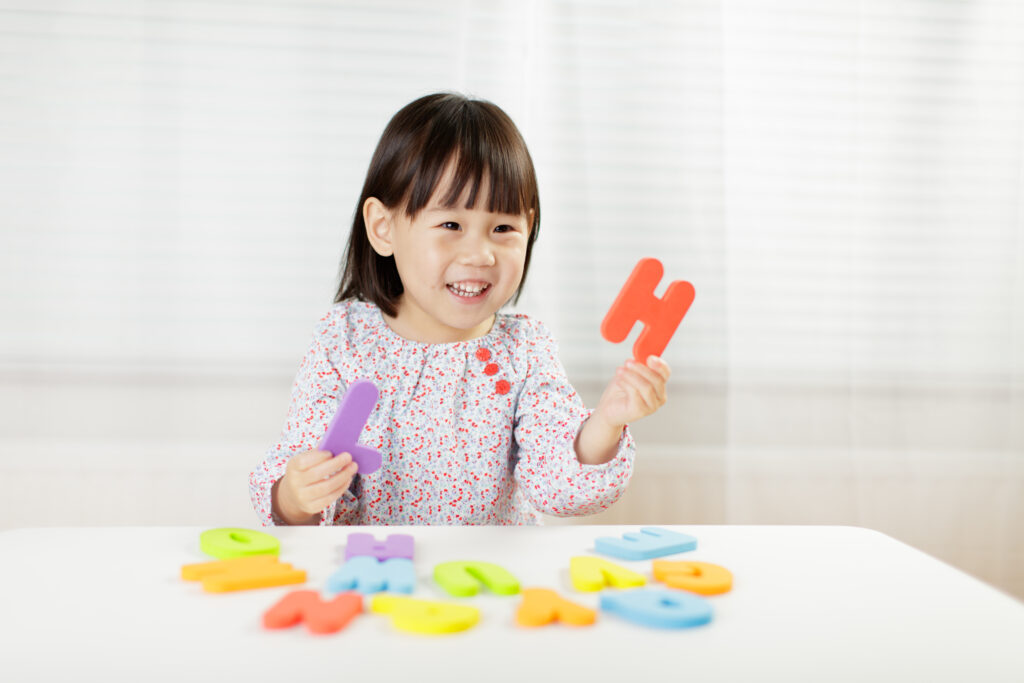
Parents and educators know all too well that language learning can sometimes feel like a chore — for both kids and adults. But when learning meets play, everything changes. Research consistently shows that play-based, game-like activities increase motivation, engagement, and meaningful language use in children (Obando-Mejía et al., 2023).
Here are 7 language games kids genuinely ask to play again — and why each one supports real language development.
🎲 1. Word Treasure Hunt
How to play:
Hide vocabulary cards around the house. Give your child clues (in the target language!) that lead them from one word to the next.
Why it works:
Searching for words in context strengthens vocabulary recall and listening comprehension. When children connect movement with meaning, language becomes more memorable and enjoyable (Obando-Mejía et al., 2023).
🗣️ 2. “Mystery Voice” Charades
How to play:
One person thinks of a word or phrase and gives clues without saying it. The others guess what it is — using the target language as much as possible.
Why it works:
Charades encourage creative language use rather than rote repetition. Language play like this promotes deeper processing of meaning and supports communicative competence (Bebout & Belke, 2017).
📚 3. Story Chain Game
How to play:
Each player adds one sentence to a growing story in the target language. Make it silly by adding rules like “include an animal” or “use a color word.”
Why it works:
Story-based play supports narrative development, sentence structure, and fluency. Research shows that playful storytelling boosts confidence and encourages spontaneous language production (Obando-Mejía et al., 2023).
🧠 4. “Guess the Emotion” Role Play
How to play:
Use emotion cards (happy, excited, confused, tired). Kids act out the emotion and say a short phrase in the target language while others guess.
Why it works:
Role play connects language to emotional and social contexts. This helps children learn how language is used in real interactions, not just isolated vocabulary lists (Pattemore, 2025).
📦 5. Vocabulary Relay Race
How to play:
Place vocabulary cards across the room or yard. Call out a word or description, and kids race to grab the matching card.
Why it works:
Physical activity paired with language supports attention and memory. Active, game-based learning environments are linked to higher engagement and improved learning outcomes (Pattemore, 2025).
🎤 6. Singing and Sound-Matching Game
How to play:
Play a song in the target language. Ask kids to clap, jump, or shout a word when they hear specific sounds or vocabulary.
Why it works:
Music supports phonological awareness and helps children recognize sound patterns. Language play through music improves vocabulary retention and listening skills (Bebout & Belke, 2017).
🤝 7. “Describe It!” Picture Race
How to play:
Show a fun image (animals, food, silly scenes). Kids have 30 seconds to describe it using as many words as they can in the target language.
Why it works:
This game encourages full sentence production and descriptive language. Producing language in meaningful contexts is essential for developing speaking skills and confidence (Obando-Mejía et al., 2023).
🎉 Why Play-Based Language Learning Works
Across multiple studies, researchers agree that play lowers anxiety, increases motivation, and encourages authentic communication. When children feel relaxed and engaged, they are more willing to take language risks — a key factor in language acquisition (Bebout & Belke, 2017; Pattemore, 2025).
Game-based language learning has been shown to:
- Improve speaking confidence (Obando-Mejía et al., 2023)
- Increase enjoyment and engagement (Pattemore, 2025)
- Support meaningful language use rather than memorization (Bebout & Belke, 2017)
When kids are having fun, learning follows naturally — and that’s when language truly sticks.
📚 References
- Bebout, J., & Belke, E. (2017). Language play facilitates language learning: Optimizing the input for gender-like category induction. Cognitive Research: Principles and Implications. Link
- Pattemore, M. (2025). Enjoyment, engagement, and success in children’s digital EFL games. ELT Journal, 79(4), 554–569. Link
- Obando-Mejía, I. G., Reyes-Avila, R. M., Bailón-Intriago, F. C., & Reyes-Avila, J. O. (2023). Using communicative games to improve speaking in English as a second language. International Journal of Linguistics, Literature and Culture, 9(4), 170–181. Link
🌟 For more engaging learning ideas, visit our blog weekly! We share creative activities, language tips, and more to make learning exciting. Stay connected with the latest posts on the Langmobile blog! And don’t forget to check out awesome songs on our Apple Music, YouTube, and Spotify pages to help with your language learning!