Community & Kindness: Teaching Kids to Help with Heart This 2025 Holiday Season
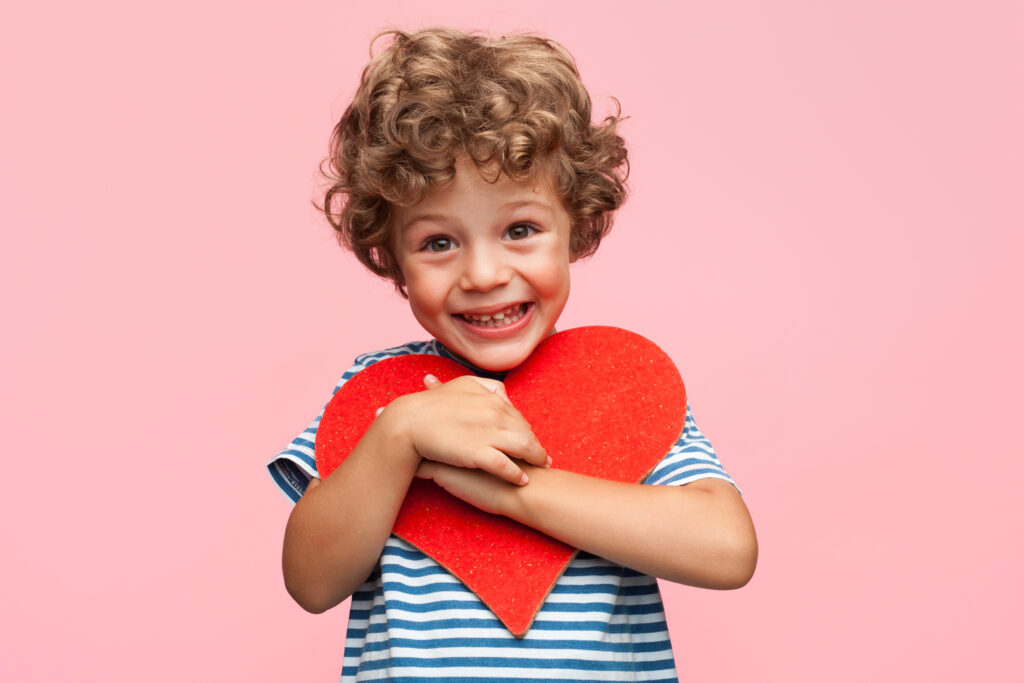
Children learn kindness when they feel like they belong. The holidays make this especially clear: lights, gatherings, and gift lists highlight how differently families live — and how not everyone has the same resources.
Teaching kids that people have diverse needs, and showing them simple ways to help, builds empathy and gives them life lessons that last far beyond the holiday season.
A growing body of research shows that children thrive emotionally when they understand others’ perspectives. For example, Bottaccioli et al. (2023) found that programs teaching emotion recognition and empathy in primary schools significantly increased children’s emotional competence and reduced stress. These skills help kids interact more positively with peers and contribute meaningfully to their communities.
Research also shows that helping others benefits not only the receiver but the giver. Byrne and colleagues (2023) conducted a large systematic review showing that prosocial actions — including volunteering, kindness programs, and “pay-it-forward” activities — positively influence the emotional well-being of both adults and youth. When kids participate in community-focused helping, they experience a sense of purpose, connection, and self-confidence.
Another important finding comes from broader developmental research. Sultan and Khan (2025) highlight that empathy doesn’t grow in isolation — it develops through culture, community, and repeated real-life practice. This means that small, structured opportunities to help others (especially those adapted to the child’s cultural or family context) support empathy far more effectively than abstract lessons alone.
Holiday-Friendly Activities That Teach Compassion
Here are practical, simple activities families and educators can use during the holiday season:
1. Storytime with a Purpose
Choose books about sharing, understanding differences, or community helpers. After reading, ask:
“What is one thing we could do to help someone like this?”
Follow up with a small, concrete action — making a card, sharing cookies with a neighbour, or helping at home.
2. Kindness Jar Challenge
Each time a child helps someone or notices someone’s feelings, add a marble to a jar. When it’s full, celebrate with a family game night or an outing. This turns kindness into an ongoing family tradition.
3. Age-Appropriate Service Tasks
Kids love to be helpful when the task is clear:
- Younger children can create holiday cards for seniors
- Older kids can sort food pantry donations
- Teens can help coordinate a toy or clothing drive
Structured, hands-on experiences help kids see the impact of their actions — something highlighted in Byrne et al.’s review (2023), which found that repeated, meaningful prosocial activities strengthen well-being and social connection.
4. Role-Play and Perspective Games
Talk about situations where families may have different resources. Role-play:
“What would you do if your friend couldn’t bring gifts this year?”
This helps children understand differences without judgment — a point emphasized by Sultan & Khan (2025), who stress culturally sensitive empathy-building practices.
5. Highlight Real Community Helpers
Invite a parent, neighbour, or local volunteer to share why they support others. Stories personalize the lesson and show kids that kindness is a lifelong practice.
Teaching with Dignity: How We Frame Caring Matters
Caring for others should never feel like pity or charity. Teach kids:
- We support others because everyone has needs at different moments.
- Offering care is about respect and community connection.
- Every act — big or small — matters.
Give children choices in how they participate. Research shows that when kids take ownership of prosocial actions, they are more intrinsically motivated and more likely to repeat them (Byrne et al., 2023).
Encourage families and classrooms to make helping a year-round habit, not a holiday-only activity. Packing an extra snack for a classmate, holding the door, or helping a neighbour shovel snow are all small but meaningful ways to practice empathy daily.
Final Thoughts
The holidays are a magical classroom for empathy. With simple, repeatable activities and a focus on dignity and belonging, we can help children learn that community means noticing others, offering help, and taking responsibility for one another. Those lessons — modeled and practiced — are gifts that keep on giving.
References
- Bottaccioli, A. G., Bottaccioli, F., Sidoti, A., et al. (2023). Empathy at School Project: Effects of Didactics of Emotions® on emotional competence, cortisol secretion, and inflammatory profile in primary school children. Frontiers in Psychology. Link
- Byrne, M., Koon, A., O’Donnell, O., et al. (2023). Prosocial Interventions and Health Outcomes: A Systematic Review and Meta-Analysis. JAMA Network Open. Link
- Sultan, M. A., & Khan, N. N. (2025). Rethinking empathy development in childhood and adolescence: A call for global, culturally adaptive strategies. Frontiers in Psychology. Link
🌟 For more engaging learning ideas, visit our blog weekly! We share creative activities, language tips, and more to make learning exciting. Stay connected with the latest posts on the Langmobile blog! And don’t forget to check out awesome songs on our Apple Music, YouTube, and Spotify pages to help with your language learning!