Healthy Body, Healthy Mind: Why Movement Matters for Kids in All 4 Seasons
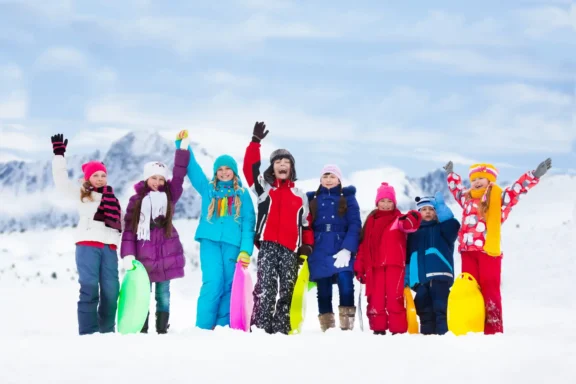
As parents, we often focus on kids’ schoolwork, screen time, or arts. But one of the most powerful tools for helping children thrive is also one of the most natural: movement. Whether it’s gliding on ice in a Canadian winter or biking through the summer, encouraging your kids to move their bodies regularly supports not just their physical health but also their mental, emotional, and cognitive development.
Why Physical Activity Is So Powerful for Children
Movement isn’t just about getting tired — it directly benefits children’s brains. Meta-analyses and systematic reviews consistently show that physical activity helps improve attention, memory, and thinking skills. For instance, a review of interventions in schools found that regular physical activity meaningfully improves working memory, inhibitory control, and attention in children and adolescents (Donnelly et al., 2025).
Plus, physical activity is closely linked with mental health benefits. A recent meta-analysis found that exercise interventions reduce symptoms of anxiety, depression, and stress in typically developing children and boost self-esteem and social competence (BMC Public Health, 2025).
Long-term studies back this up, too: research from the PANIC Study followed kids over eight years and found that those who were more physically fit in childhood had better cognitive abilities and better mental health in their teenage years (Syväoja et al., 2024).
Winter Magic: Embracing the Cold with Fun Activities
Living in Canada gives us a huge advantage — there are so many fun, seasonal ways for kids to move and play outdoors during winter. Here are some ideas and why they’re so great:
- Skiing or snowboarding: These sports build strength, balance, and coordination. For many kids, mastering a new skill is empowering and helps build confidence.
- Skating or ice hockey: Gliding on ice challenges balance and coordination, plus it’s often social.
- Snowshoeing or winter hiking: Perfect for families — slower pace, but still a full-body workout and a chance to appreciate nature.
- Sledding, snow forts, or tobogganing: Unstructured play is just as valuable. Building snow forts or racing down hills helps creativity, problem-solving, and risk assessment.
When kids move in the cold, they learn resilience. They learn that winter isn’t just something to endure — it can be fun. That positive mindset sets the tone for a lifetime of activity.
Summer Joy: Movement Under the Sun
And just as winter has its magic, summer offers so many opportunities for movement and play:
- Biking: Whether it’s around the neighborhood or on trails, biking builds cardio fitness and is often a family-friendly activity.
- Swimming: Excellent full-body exercise, plus it’s cooling and social.
- Team sports: Soccer, baseball, or even badminton encourage teamwork, strategy, and regular activity.
- Free play: Playground time, chasing friends, skipping rope — unstructured movement is often where creativity and joy shine.
Summer and winter together give children a well-rounded movement experience. The variety helps them develop different muscles, motor skills, and mental habits.
Making Movement Part of Daily Life
Getting kids to move consistently isn’t always easy — especially when parents are busy or the weather puts up a challenge. Here are strategies to make it stick:
- Model movement: Kids copy what they see. If you ski, walk, bike, or just do stretch breaks, your kids are more likely to join in.
- Be playful: Turn chores into games (who can shovel the driveway fastest?) or set up mini obstacle courses indoors when it’s cold.
- Celebrate small wins: Did your child try a new winter sport, or walk a certain distance? Celebrate, not with a huge reward, but with praise and fun time together.
- Mix structured and free activity: Let one day be “organized sport or class,” and the next be “unstructured outdoor play” — both have huge value.
How Movement Supports a Healthy Mind
- Better focus and learning: Physical activity boosts blood flow to the brain, which helps with memory and thinking (Donnelly et al., 2025).
- Mental health protection: Regular exercise during childhood is linked with lower risk of mental health disorders later on, including anxiety and ADHD (BMC Public Health, 2025).
- Long-term resilience: As shown by the PANIC Study, physical fitness in childhood predicts better emotional well-being and cognitive performance in adolescence (Syväoja et al., 2024).
- Social and emotional benefits: Active play (especially outdoors) helps kids build social skills, confidence, and self-esteem.
Encouraging a Movement-Positive Mindset
To help your child love to move — no matter the season — here are some mindset tips:
- Frame activity as fun, not a chore. This isn’t “exercise for health”; it’s play with purpose.
- Involve the whole family — so your kid sees movement not as “my thing” but “our thing.”
- Encourage experimentation. Maybe your child tries skating and loves it; maybe they decide they prefer biking. Respect their preferences.
- Build habits slowly. Even 15‑minutes of fun movement a few times a week makes a big difference.
Conclusion
Movement is one of the greatest gifts we can give to children: it strengthens their bodies, sharpens their minds, and nurtures their emotional health. By helping kids explore ways to move — whether it’s zooming down snowy hills in winter or biking in summer — we set them up for a life of balanced, joyful activity. When kids learn that being active isn’t just good for them, but fun, they’re more likely to carry those habits forever.
References
- BMC Public Health. (2025). The effects of physical activity on the mental health of typically developing children and adolescents: A systematic review and meta-analysis. Link
- Donnelly, J. E., Hillman, C. H., Castelli, D., Etnier, J. L., Lee, S., Tomporowski, P., Lambourne, K., & Szabo-Reed, A. N. (2025). School-based physical activity and academic performance: A meta-analysis of chronic interventions. Educational Research Review, 45, 100658. Link
- Syväoja, H. J., Kantomaa, M. T., Vähä-Ypyä, H., Tammelin, T. H., & Lintu, N. (2024). Physical fitness in childhood predicts cognitive performance and mental health in adolescence: PANIC Study. Sports Medicine, 54(12), 2107–2120. Link
🌟 For more engaging learning ideas, visit our blog weekly! We share creative activities, language tips, and more to make learning exciting. Stay connected with the latest posts on the Langmobile blog! And don’t forget to check out awesome songs on our Apple Music, YouTube, and Spotify pages to help with your language learning!