4 Powerful Ways Music and Songs Help Children Learn Languages Faster 🎵
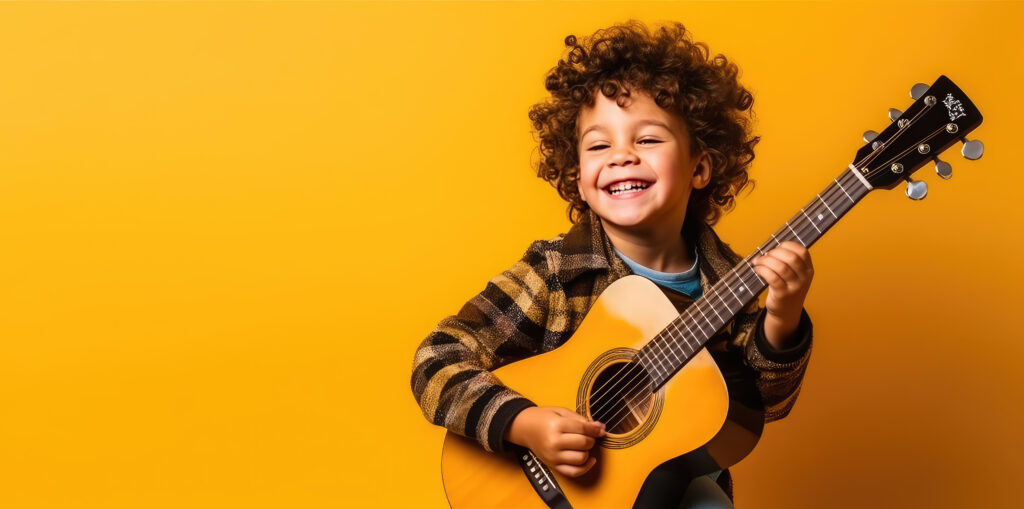
Music is more than just a fun activity for children — it is a powerful learning tool that activates the brain, builds memory, and strengthens language skills. For babies, toddlers, and young children, songs are often their first form of language practice. The rhythm, repetition, and emotional warmth of music make new words easier to understand, remember, and use.
For Langmobile, singing songs isn’t just for entertainment — it’s a science-backed strategy.
Why music is so powerful for language learning
Research shows that music and language share similar brain pathways. When children listen to or sing songs, they don’t just hear sounds — they process patterns, rhythm, timing, and emotional cues, all of which are essential for language development.
A 2023 study published in Frontiers in Psychology found a strong link between children’s musical rhythm skills and their language abilities, especially grammar and sentence formation (Pino et al., 2023). Children who are regularly exposed to music show better ability to segment words and understand speech patterns.
Another recent study demonstrated that singing supports second-language learning by improving pronunciation accuracy and long-term vocabulary recall (Zhang, 2023). The melody acts as a memory “hook,” helping the brain store and retrieve words more efficiently than spoken repetition alone.
Even babies respond deeply to music. A 2023 neuroscientific study showed that infants display stronger neural tracking and physical movement when hearing live, infant-directed singing compared to normal speech (Nguyen et al., 2023). These responses are early markers of stronger language processing abilities.
How songs increase vocabulary and pronunciation
Songs naturally slow down language. Words are stretched, repeated, and placed inside melodic patterns. This gives children time to hear each sound clearly and practice it without pressure.
Singing also encourages natural repetition, which is essential for language acquisition. Unlike flashcards or drills, children want to repeat songs. This joyful repetition strengthens their pronunciation, intonation, and confidence.
Research has also shown that musical approaches are especially powerful for children with diverse learning needs. A 2024 study found that music-based language learning supported communication and vocabulary retention in autistic children by increasing engagement and emotional comfort (Williams et al., 2024).
This means music makes language more accessible, inclusive, and emotionally safe.
How Langmobile-style music learning works in real life
Here’s how music can be applied in practical language instruction:
🎵 1. Micro-songs for new words
Short songs that repeat key words (animals, colors, feelings) help children memorize vocabulary effortlessly. For example:
“Bonjour, bonjour, petit chat —
Je te vois, je te vois, là-bas!”
This structure mirrors the findings that singing improves vocabulary recall better than spoken-only repetition (Zhang, 2023).
🎵 2. Rhythm to teach sentence patterns
Clapping or tapping rhythms helps children feel how sentences “flow.” This strengthens their grasp of grammar and syntax by training the brain to recognize language patterns (Pino et al., 2023).
🎵 3. Call-and-response songs
Interactive songs where the adult sings a line and the child finishes it create powerful learning moments. This back-and-forth builds turn-taking skills, listening skills, and social language abilities.
It also mirrors the neural engagement babies show during live singing (Nguyen et al., 2023).
🎵 4. Music with movement
Adding actions like jumping, touching colors, or pointing to objects makes learning multisensory. When movement is paired with language, memory pathways become stronger and longer-lasting.
This is especially helpful for children who struggle with traditional learning styles (Williams et al., 2024).
Easy ways parents can use music at home
Parents don’t need to be professional singers. Children don’t care about “perfect” singing — they care about connection.
Simple ways to use music at home:
- Sing the same short song every morning
- Turn clean-up time into a song
- Use musical cues for routines like bedtime and brushing teeth
- Pause mid-song and let your child fill in the missing word
Consistency matters more than perfection.
Why music makes learning emotionally safe
Language learning can feel intimidating. Music lowers that barrier. When a child sings, they aren’t afraid of making mistakes. The song carries them.
This emotional safety is key — research shows that when children feel relaxed and engaged, they learn faster and retain more (Nguyen et al., 2023; Williams et al., 2024).
That’s why music isn’t just decoration in learning — it’s structure, support, and strategy all in one.
Final thought
Music turns language learning into something children feel, not just memorize. It sharpens listening skills, strengthens memory, supports pronunciation, and builds emotional confidence. Supported by recent research, singing and rhythm are proven tools that make learning faster, deeper, and more joyful.
For children learning a new language, every song is a stepping stone — and every melody is a memory.
References
- Pino, M. C., et al. (2023). The association between music and language in children. Frontiers in Psychology. Link
- Zhang, Y. (2023). Singing songs facilitates L2 pronunciation and vocabulary learning. Languages, 8(3), 219. Link
- Nguyen, T., et al. (2023). Neural tracking and movement responses to maternal singing in infants. Developmental Cognitive Neuroscience. Link
- Williams, T. I., et al. (2024). Using music to assist language learning in autistic children. Frontiers in Psychology. Link
🌟 For more engaging learning ideas, visit our blog weekly! We share creative activities, language tips, and more to make learning exciting. Stay connected with the latest posts on the Langmobile blog! And don’t forget to check out awesome songs on our Apple Music, YouTube, and Spotify pages to help with your language learning!