3 Reasons Why Summer Camps Help Children Learn Languages Naturally 🌞
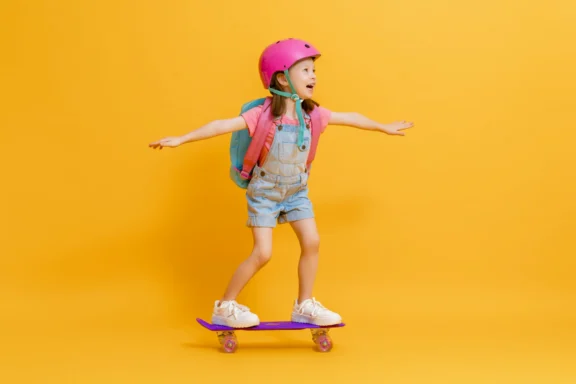
When adults think about language learning, they often imagine vocabulary lists, grammar exercises, and repetition. But children learn very differently. Young learners absorb language most naturally when they are engaged emotionally, socially, and physically. In other words, children learn best through play.
This is one reason why summer camps and play-based environments can be so powerful for language development. Whether children are singing songs, playing games, creating art, or making new friends, they are constantly practicing communication in ways that feel natural instead of forced.
At camp, language becomes part of everyday life rather than something that only exists in a classroom.
Research increasingly supports this idea. Studies show that playful and socially interactive environments help children strengthen communication skills, confidence, and emotional development (Prins et al., 2022). Children are often more willing to experiment with language when they feel relaxed, curious, and emotionally safe.
Play Creates Real Communication
One of the biggest differences between traditional learning and play-based learning is motivation.
When children play, they naturally want to communicate:
- to explain ideas
- to ask questions
- to solve problems
- to collaborate
- to imagine stories together
Language suddenly has a real purpose.
For example, during group games, children practice listening, following instructions, and speaking with others. During arts and crafts, they describe colors, shapes, feelings, and ideas. Even outdoor activities create opportunities for repetition, storytelling, and conversation.
A 2022 study published in the International Journal of Early Years Education found that children used richer and more varied language in natural and play-based environments compared to more structured settings (Prins et al., 2022). Researchers observed more storytelling, collaboration, and spontaneous dialogue during exploratory play.
This matters because children do not only learn language through memorization — they learn through meaningful interaction.
Confidence Matters More Than Perfection
One of the greatest barriers to language learning is the fear of making mistakes. Play changes that dynamic.
When children are focused on having fun, they become less afraid of speaking. Instead of worrying about being “correct,” they focus on participating. This relaxed environment encourages experimentation, which is essential for language growth.
That is why summer camps can be especially beneficial. Camps create opportunities for children to interact naturally throughout the day:
- during games
- while eating together
- through teamwork
- during creative projects
- during outdoor adventures
These repeated interactions help children associate language with connection rather than pressure.
Research on children attending summer camps found improvements in communication, prosocial behavior, and social-emotional development after camp participation (Gerber et al., 2022). Collaborative camp environments may help children build confidence and interpersonal skills through shared experiences.
For many children, confidence grows before fluency does.
Final Thoughts
Children are naturally designed to learn through exploration, movement, creativity, and connection. Play is not a distraction from learning — it is one of the most effective ways young children develop communication and language skills.
Whether through games, storytelling, music, outdoor adventures, or friendships formed at summer camp, playful environments give children the opportunity to practice language in meaningful and exciting ways.
Sometimes the most powerful learning happens when children are simply laughing, playing, and being themselves.
References
- Gerber, Y., Gentaz, E., & Malsert, J. (2022). The effects of Swiss summer camp on the development of socio-emotional abilities in children. PLOS ONE, 17(10), e0276665.Link
- Kalkusch, I., Jaggy, A.-K., Burkhardt Bossi, C., Weiss, B., Sticca, F., & Perren, S. (2022). Fostering children’s social pretend play competence and social skills through play tutoring: What is the mechanism of change? Childhood, 46(5). Link
- Prins, J., Van der Veen, C., Van Santen, S., Van der Wilt, F., & Hovinga, D. (2022). The importance of play in natural environments for children’s language development: An explorative study in early childhood education. International Journal of Early Years Education, 31(1), 1–17.Link
🌟 For more engaging learning ideas, visit our blog weekly! We share creative activities, language tips, and more to make learning exciting. Stay connected with the latest posts on the Langmobile blog! And don’t forget to check out awesome songs on our Apple Music, YouTube, and Spotify pages to help with your language learning!